
Gift & Lifestyle Store
Est 2001
We are 25 yrs old this year
Happy Birthday to us
Beautiful Gifts ... and one for me
Cards . Jewellery . Clothing .
Home Fragrance . Candles
Chocolates . Wellbeing Treats . New baby . Jellycat
....................
Our website is here to give you a taste of what we have in store. You can browse our latest arrivals via our visuals online or over on Instagram, then simply message us on WhatsApp to check stock, or pop into our shop on New Road Side to see us in person.
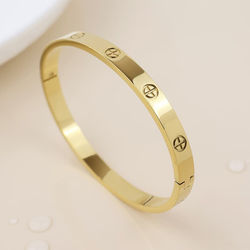
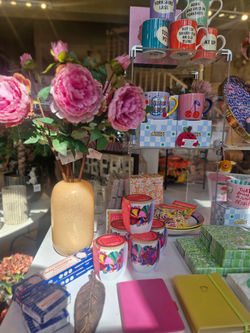
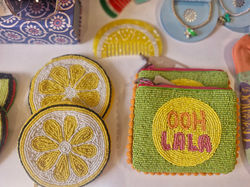
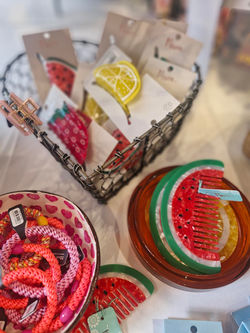
See below for a few of the gorgeous things we sell. We make every visit feel like a moment worth returning for.
See below for a few of the gorgeous things we sell at our boutique on New Road Side. We make every visit feel like a moment worth returning for.
 |  |  |
|---|---|---|
 |  |  |
 |  |  |
 |


Little luxuries you didn't know you needed
Our Curated Brands & Gift Collections
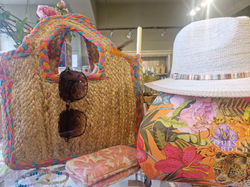
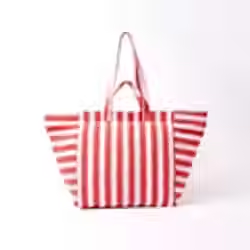
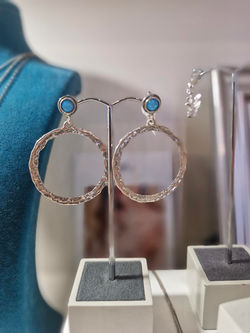
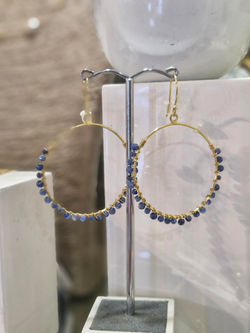
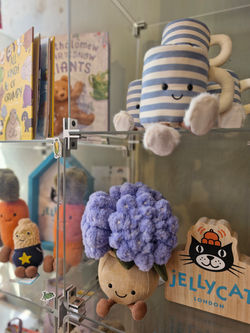
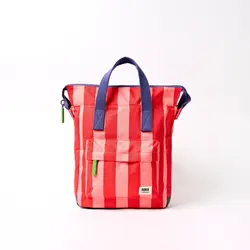
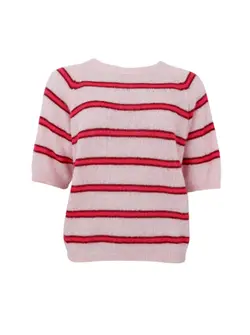
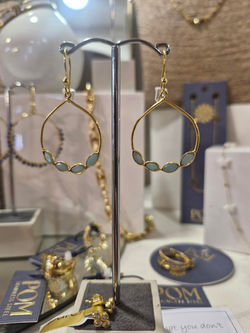
We hand-pick every item to bring something unique to Rawdon. Rustle & Co is a proud local stockist of the incredibly popular Jellycat soft toys, ROKA London rucksacks, and gorgeous boutique clothing collections from One Hundred Stars, Chalk UK, and Black Colour. We also stock beautiful Azendi jewellery alongside luxury home fragrances and seasonal treats.
Found a must-have item in our visuals? Simply tap our WhatsApp link or give us a call to check current stock and reserve your favorites form our shop collection.
 |  |
|---|---|
 |  |
 |  |
 |  |
 |  |
 |  |
 |  |